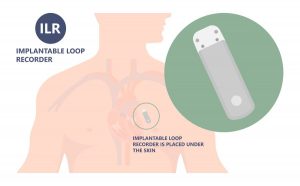
Today, implantable ECG monitors are very small devices that are inserted under the skin of the chest at the level of the heart during a very simple procedure. The implantation is performed under local anesthesia, most often on an outpatient basis. It takes a few minutes and consists of sliding the device under the skin, in a sterile environment. The skin is then closed with sutures or surgical glue. The outcome of the intervention is generally very simple: the pain remains very minimal and complete closure of the skin occurs in a few days after the implantation. It is very important to understand the operation of the device before leaving the implantation center in order to be able to use it to the best of its ability.
FREQUENTLY ASKED QUESTIONS
What is the best heart rhythm monitor?
The best heart rhythm monitor depends on individual needs; implantable loop recorders are highly effective for continuous long-term monitoring, but are not recommended routinely.
How is a heart rhythm monitor implanted?
The device is implanted under the chest skin using a minimally invasive procedure, often under local anesthesia.
How long does the implantation procedure take?
The procedure typically takes less than an hour to complete.
What is the recovery time after implantation?
Most patients recover within a few days, with minimal discomfort at the implantation site.
How long can an implantable heart rhythm monitor record data?
Depending on the model, it can monitor and record heart rhythms for up to three years.
Are there any risks associated with the implantation?
Depending on the model, it can monitor and record heart rhythms for up to three years.