

When do I need a pacemaker?
When do I need a pacemaker?
When the heart beats slowly
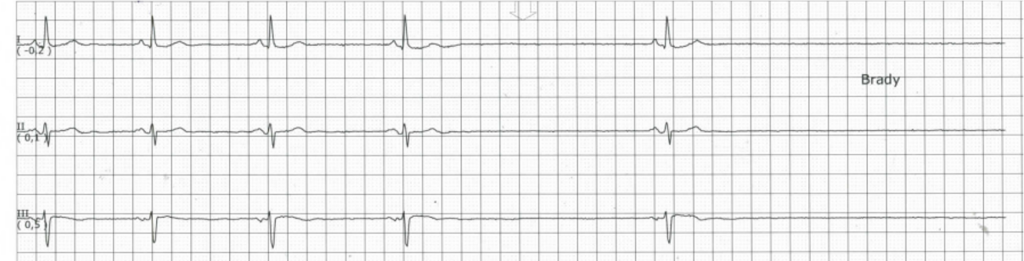
In some patients, the heart beats too slowly. The electrical signals may follow the normal conduction system of the heart beginning at sinus node and traveling to the ventricles, but the frequency of the signals (beats per minute) produced at the sinus node is too low. This condition is called sinus bradycardia. Sometimes, the signals of the heart are produced at the sinus node in the normal frequency, but only a proportion of all signals reaches the ventricles. This condition is called AV block or heart block.
The commonest reason for a slow heart rhythm is the normal aging of the heart and its conduction system. However, some medications, e.g. beta-blockers or several heart conditions (e.g. a heart muscle disease, a myocardial infarction or some genetic conditions) can also cause a slow heart rhythm, that requires treatment. A slow heart rhythm may not give any symptoms, but in most cases it can cause symptoms like fatigue, decreased physical condition, dizziness, fainting or even, in the worst cases, cardiac arrest (heart attack). In some cases, the abnormal heart rhythm can be treated by addressing the underlying condition (e.g. by stopping the responsible medication). When this is not possible or not enough, a cardiac device called a pacemaker may be needed.
A pacemaker is commonly implanted in older patients, as aging of the heart is the commonest reason for dysfunction of the normal conduction system. However, younger patients can also need a pacemaker, particularly in cases they have another cardiac condition or have undergone a heart operation that has affected the conduction system.
When the heart beats weakly
In heart failure, the heart muscle often pumps weakly, and is unable to pump enough blood to the lungs or to the rest of the body. This can worsen when the muscle in the ventricles is uncoordinated as a result of electrical conduction problems through the heart muscle (left bundle branch block). This condition is called cardiac or ventricular dyssynchrony.
Cardiac dyssynchrony can worsen heart failure symptoms (shortness of breath, fatigue, dizziness, palpitations, swollen ankles and legs, coughing etc). The medications used for heart failure can reduce symptoms and improve the heart function, but in some severe cases, the implantation of a cardiac device, called cardiac resynchronization therapy (CRT) or biventricular pacemaker may be needed.


